Trading skills
Risk, position sizing, leverage and the habits that win tournaments.

How to Pass a Trading Challenge: 9 Rules That Work
How to pass a trading challenge: why most traders fail, nine practical rules for drawdown limits and profit targets, and how to rehearse with a capped downside first.
Best Time to Trade Crypto: Sessions and Hours (UTC)
Best time to trade crypto: how volatility shifts across Asian, European and US sessions, data releases, weekends, and timing tournaments.
Ethereum Trading Competition: Trade ETH Live
An Ethereum trading competition on live prices: how ETH trades in PnL World tournaments, what moves it, how it differs from bitcoin, and how to size it.

4-Hour Trading Tournament Strategy: One Session
How to trade a 4-hour trading tournament: when tables start, how many trades to take, sizing, limit orders, and protecting your place in the last 30 minutes.
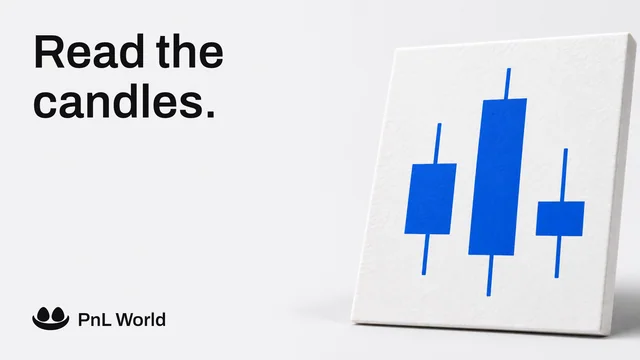
How to Read Candlestick Charts: A Clear Guide
How to read candlestick charts: open, high, low and close, bodies and wicks, timeframes, a few patterns that matter, and how to use candles in a tournament.

Scalping vs Swing Trading: Which Style Wins?
Scalping vs swing trading compared: holding times, costs, risk, the skills each needs, and which tournament formats suit each style, with rules for both.
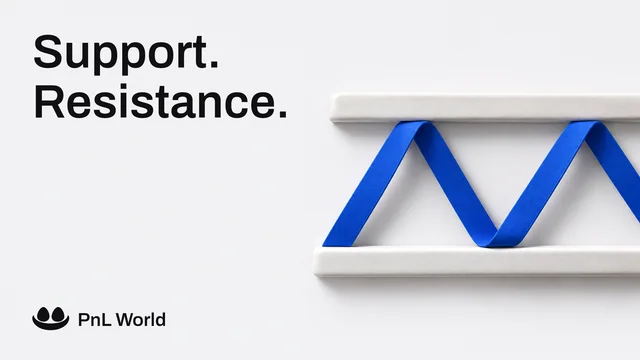
Support and Resistance Explained for Traders
Support and resistance explained: what the levels are, how to draw them, why they break, role reversal, and how to trade levels with stops in a tournament.
Daily Trading Tournament Strategy: 24 Hours
A strategy for daily trading tournaments: planning a 24-hour event, when to trade, sizing for one session, the overnight hours and protecting your place.
FOMO in Trading: Why It Hurts and How to Stop It
FOMO in trading explained: what fear of missing out looks like, why chasing moves costs money, how it shows up in tournaments, and rules to stop it.

Sharpe Ratio Explained: Return per Unit of Risk
The Sharpe ratio explained: the formula, a worked example, what counts as a good Sharpe ratio, its limits, and risk-adjusted thinking in tournaments.
Trading Competition Rules: 10 Things to Check
Before you join a trading competition, check 10 rules: how winners are decided, entry cost, starting balance, fees, leverage, liquidation, ties and prizes.
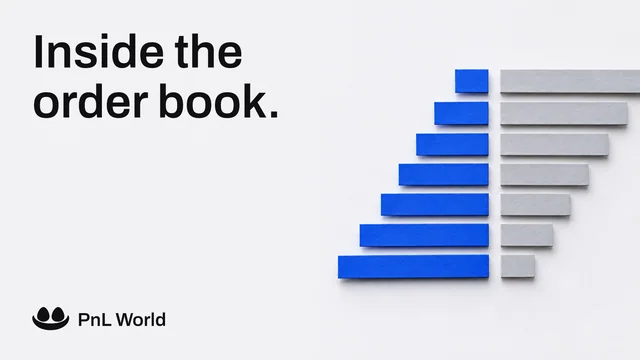
Order Book Explained: How to Read Bids and Asks
The order book explained: bids, asks, spread and depth, how market and limit orders use it, what slippage is, and how to read it in a tournament.

Trading Competition App: Compete From Your Phone
How to join a trading competition from your phone: what a mobile trading terminal needs, how PnL World works in the browser, and tips for small screens.

Trading Competitions for Students: Start Free
Why students join trading competitions, what they learn, how to take part without risking money, and how a free weekly tournament builds a public track record.
100x Leverage Explained: What It Really Means
What 100x leverage means in trading, why a 1% move can end a position, how position size changes the risk, and how to use high leverage in a tournament safely.

Commodity Trading Competition: Oil, Gas and Copper
How a commodity trading competition works: WTI and Brent crude, natural gas and copper on live prices in PnL World tournaments — leverage, costs and scoring.
Forex Trading Competition & Tournament: EUR/USD, Gold
How a forex and commodities trading competition works on PnL World: EUR/USD, metals and energy on live prices, market hours, up to 100× leverage and scoring.
Gold Trading Competition: Trade Gold and Silver Live
A gold trading competition on live prices: how gold, silver, platinum and palladium trade in PnL World tournaments, what moves them and how results are ranked.
Gold vs Bitcoin Trading: Volatility, Hours and Risk
Gold vs bitcoin from a trader's view: how volatile each is, when they trade, what moves them, how leverage and fees differ, and which suits which tournament.
Altcoin Trading Competitions: Trading DOGE, ADA, AVAX, LINK and LTC Against BTC
How altcoins change a crypto trading competition: volatility, leverage brackets, correlation with Bitcoin and when to rotate out of BTC. A practical guide to the ten-coin basket on PnL World.
Weekly Trading Tournaments: Strategy for Seven Days on One Account
How to trade a weekly trading tournament: pacing a seven-day account, position sizing, fees and funding over a week, and how the final Sunday decides places.

Futures Liquidation: Why It Happens and How to Avoid It
What liquidation means in crypto futures, how leverage moves the liquidation price, why it uses the mark price, and how liquidation affects a tournament place.
Long vs Short in Trading: How Each Position Makes Money
Long vs short positions explained: how each one profits, how PnL is calculated for both, the extra risks of shorting, and when shorts help in a tournament.
Mark Price vs Last Price: What Each One Is For
Mark price vs last price in crypto futures: how each is formed, why liquidation and open PnL use the mark price, and what it means for a tournament result.
Revenge Trading: How to Spot It and Stop It
What revenge trading is, the signs that you are doing it, why it is so costly in short tournaments, and simple rules that stop one loss from becoming three.
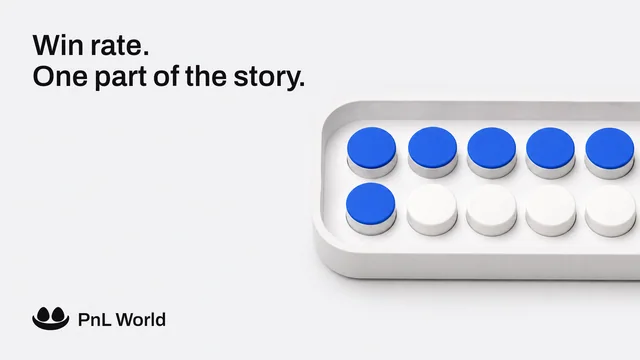
Win Rate in Trading: Why 40% Can Beat 70%
What win rate in trading means, why it says little on its own, how it combines with average win and loss into expectancy, and which win rate is realistic.

Cross vs Isolated Margin: What Changes Your Risk
Learn the general difference between cross and isolated margin, how collateral and liquidation interact, and why margin mode is not the same as leverage.

Hedge Mode vs One-Way Mode: Long and Short Positions
Understand net and separate long/short positions, how opposite orders behave, and why hedging does not remove every trading cost or risk.
Why Traders Lose Money: Evidence, Costs and Risk
What loss statistics actually measure, how leverage and trading costs affect results, and what practice or tournament records can and cannot prove.
Bitcoin Trading Competition: Trade BTC in Rated Tournaments
Looking for a Bitcoin trading competition? How BTC tournaments work on PnL World: live prices, long or short, 20× in short formats, scoring and world rating.
Funding Rate Explained: Who Pays, When and How Much
The funding rate on perpetual futures explained: why it exists, who pays whom, how to calculate it, when it is charged, and how it affects a tournament result.
Hourly Trading Tournaments: Strategy for Short Formats
How to trade Hourly and 4-Hour trading tournaments: what changes in short formats, position sizing, fees, the last minutes, and how points add up in the PWR.

Position Sizing in Trading: The Formula and Worked Examples
How to size a trading position by risk: the position-size formula, worked examples with stops and leverage, common mistakes, and sizing rules in tournaments.

Risk-Reward Ratio: Formula and Break-Even Win Rate
The risk-reward ratio explained: how to calculate it, the win rate you need to break even at each ratio, how fees change it, and how to use it in tournaments.
How to Be a Consistent Trader: Habits That Show in Results
Consistency in trading: what it looks like in numbers, the habits behind it, and why a rating built on many tournaments rewards it more than one big win.

Trading Journal: What to Record and How to Review It
How to keep a trading journal: what to record for each trade, a simple review routine, the numbers to track, and tournament results as a ready-made record.

Market vs Limit Orders: Fees, Fills and When to Use Each
Market order vs limit order: how each fills, maker vs taker fees, slippage, and when to use which — with examples from PnL World's tournament terminal.

Stop-Loss and Take-Profit: How to Set Them (With Examples)
How stop-loss and take-profit orders work, how to place them by risk and structure, common mistakes, and how they protect your place in a trading tournament.
Crypto Trading Tournaments: How They Work, Where to Compete
Crypto trading tournaments explained: formats, leverage, scoring and prizes. How PnL World runs rated tournaments on live Binance data for the top coins.
History of Trading Competitions: 1980s to Today
A short history of trading competitions: 1980s real-money championships, Larry Williams' 11,376% record, crypto contests and rated tournaments.
Leverage in Trading: How Much Is Too Much?
What leverage in trading really means, why position size matters more than the multiplier, and how to pick leverage in a tournament without liquidation.
Max Drawdown Explained: Formula, Examples and Why It Matters
Max drawdown is the largest fall from a peak in account equity. The formula, worked examples, drawdown vs return, and how it breaks ties on PnL World.

Online Trading Competitions: How to Pick a Fair One
Online trading competitions compared: exchange contests, prop challenges, demo contests and rated tournaments. What makes one fair, and how PnL World works.

Paper Trading vs Live Trading: What Carries Over?
Paper trading vs live trading compared: what a demo account teaches, what it hides, and how tournaments on live market data sit between practice and real money.
Perpetual Futures: Funding, Mark Price and Liquidation
Perpetual futures explained: how perps work, funding rates, mark price, margin and liquidation, with examples, and how PnL World tournaments use them.
Trading Under Competition Pressure: What Changes
How competition changes trading: chasing the leader, last-hour gambles, overtrading and tilt — and simple routines to stay disciplined in a tournament.
How to Win a Trading Tournament: Rules From the Scoring
Practical rules for winning trading tournaments, derived from how places are decided: final result, liquidation, leverage caps, fees, timing and sizing.